Thinking about buying a rental in Jackson Township but not sure what returns to expect? You want a clear picture before you commit your cash. In this guide, you’ll learn how to estimate rent, vacancy, expenses, and your likely cap rate and cash-on-cash return for single-family homes in Ocean County’s Jackson Township. You’ll also get simple steps to run comps, set up alerts, and model your own numbers. Let’s dive in.
Jackson Township market at a glance
Jackson Township sits in Ocean County within the larger New York–Newark–Jersey City region, but local rents and returns can differ from metro averages. Proximity to jobs, commuting routes like I-195 and I-295, and neighborhood features matter. That is why you should rely on township or neighborhood-level comps rather than metro-wide indices when you model a deal.
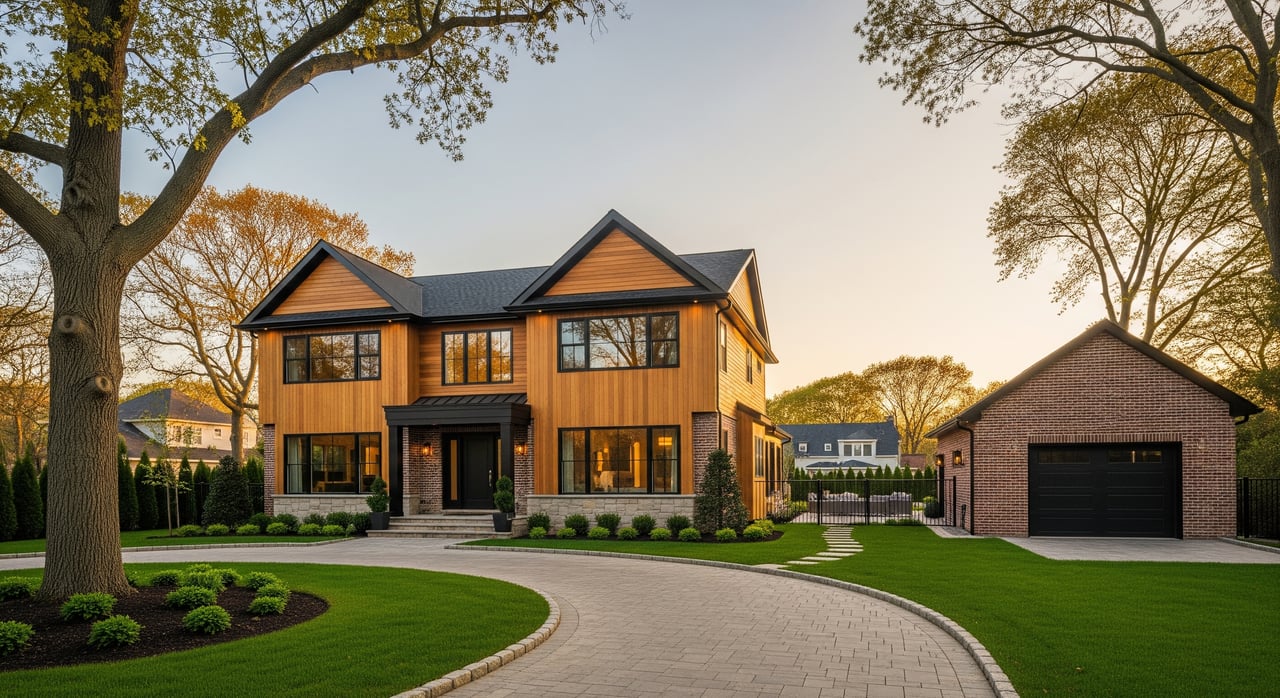
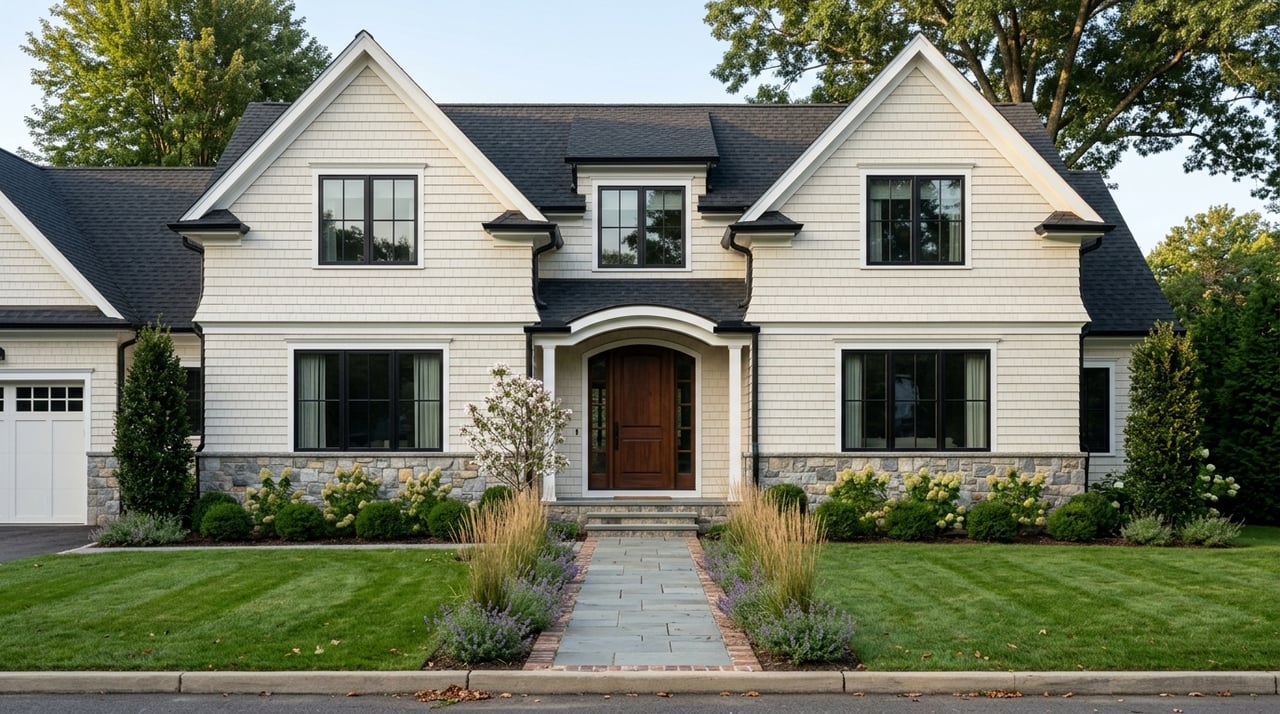
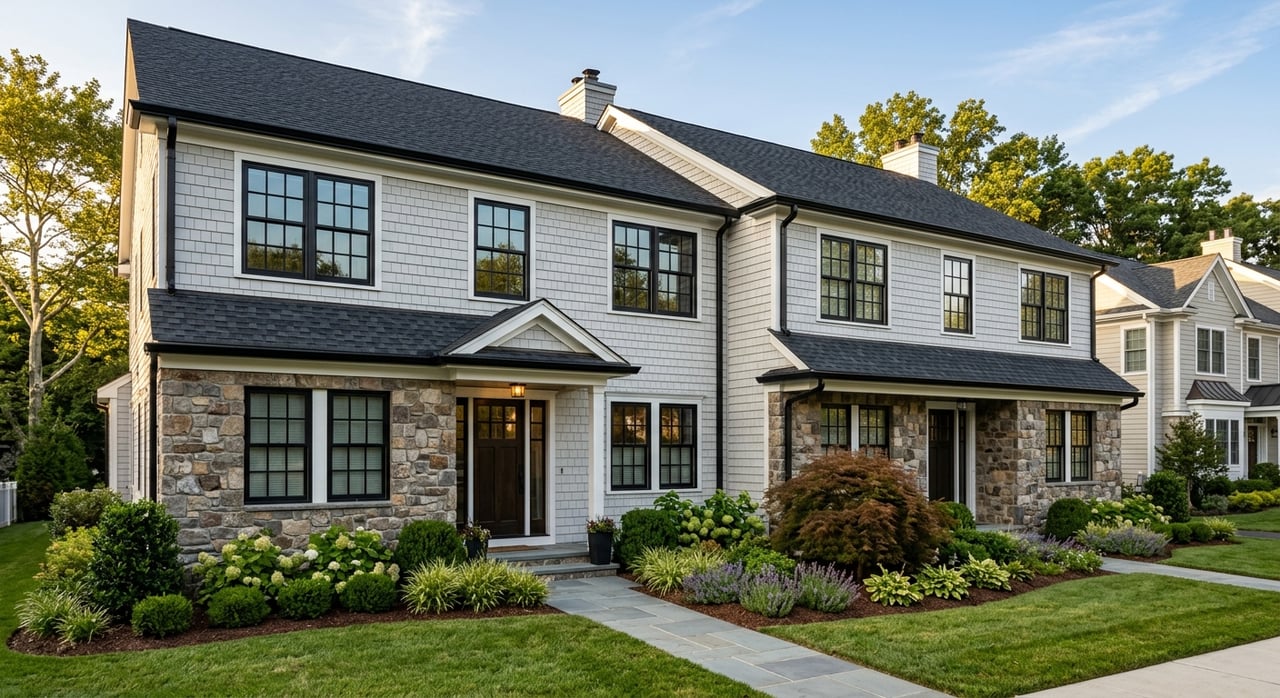
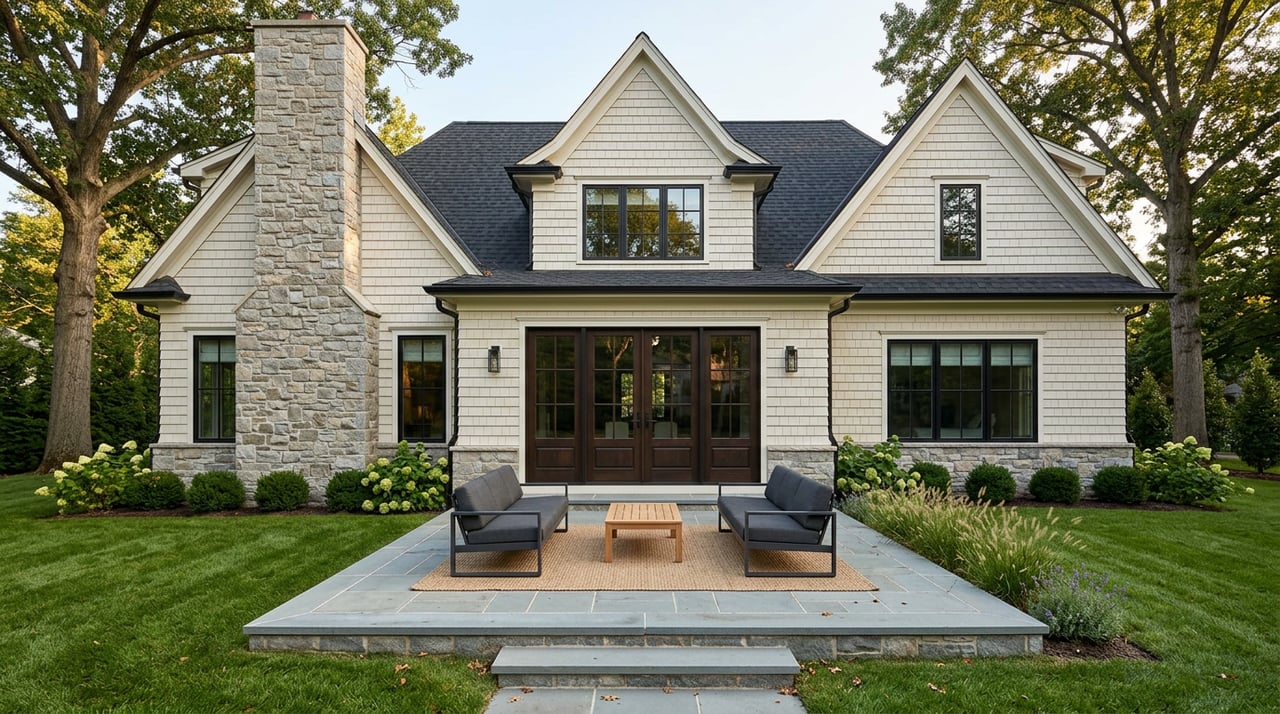
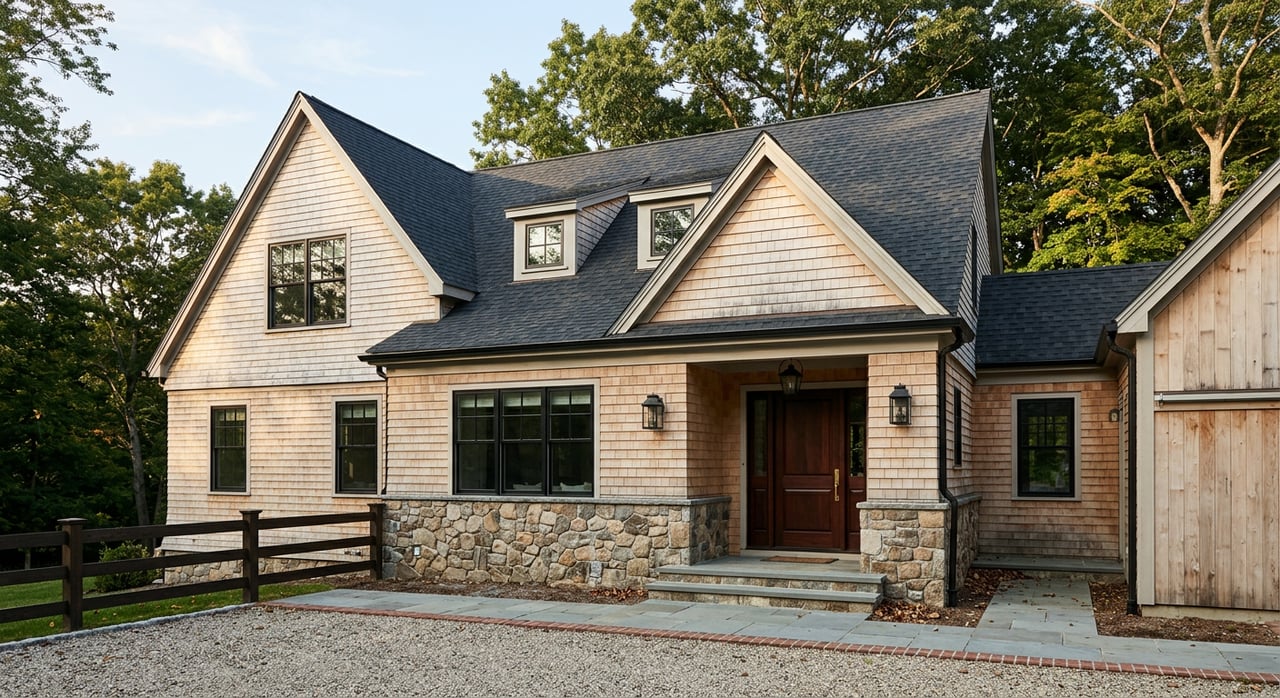
Single-family rentals here include starter homes, 3 to 4 bedroom houses with yards, and upgraded homes in newer subdivisions. Each segment commands different rent. Your goal is to match your target property to the right set of comps and adjust for beds, baths, garage, finished space, updates, and lot.
Estimate your likely rent
Use a comp process that mirrors how a lender or appraiser would look at the rental market:
- Identify 5 to 10 active listings and 5 to 10 recent rentals within 0.5 to 1 mile of the target home.
- Filter to single-family properties with similar bedroom and bathroom counts, square footage, and features like a garage, basement, or large yard.
- Adjust for condition. Fresh updates and renovated kitchens and baths can support higher rent than dated finishes.
- Convert the monthly rent estimate to annual Gross Scheduled Rent by multiplying by 12. This becomes your starting point for all return math.
Tip: Ask a local agent for MLS-backed rent comps and days-on-market. It is the most reliable source for Jackson Township.
Vacancy and turnover to budget
Vacancy and turnover are part of the math, even in healthy suburbs.
- Vacancy allowance: Use 5 to 10 percent of your Gross Scheduled Rent as a conservative starting point. Strong demand and standout marketing can lean toward 3 to 5 percent. Slower seasons, dated condition, or weak marketing can push you toward 8 to 12 percent.
- Turnover frequency: Single-family rentals often see tenants stay 1 to 3 years. Long-term tenants and owner-occupied rentals that convert to long-term leases can extend that timeline.
- Turnover costs: Plan for cleaning, paint, minor repairs, carpet or flooring work, advertising, and a few weeks of lost rent during make-ready. A simple way to budget is one month of rent every 2 to 3 years, or 5 to 10 percent of annual rent amortized.
Time on market and marketing
Well-priced, well-presented single-family homes commonly lease in 2 to 6 weeks. Professional photos, a clean and move-in-ready home, and competitive terms help reduce vacancy time. Local channels, community groups, and a property manager’s tenant base can speed up placement.
Operating costs to plan for
Your net return depends on the expenses you carry. Build your model line-by-line so you can see what moves the needle.
- Property taxes: Often the largest line item in New Jersey. Pull the current tax bill from local records and treat this as a fixed annual cost in your analysis.
- Insurance: Get a landlord policy quote based on the home’s value and risk profile. Compare a few carriers.
- Utilities: If you pay any utilities like water, sewer, or trash, budget actual local rates. If tenants pay all utilities, note that as $0.
- HOA or community fees: Include any monthly or quarterly fees if the home is in an association.
- Property management: Plan for 8 to 12 percent of collected rent if you hire a manager. If you self-manage, you can model 0 to 5 percent to reflect your time and advertising costs.
- Maintenance and repairs: A common rule of thumb is 5 to 10 percent of collected rent for a well-maintained single-family home. Older homes or frequent turnover may require more.
- Capital expenditures (CapEx) reserve: Set aside $500 to $2,000 per year per property, or budget 5 to 10 percent of income, to cover larger items like roofs, HVAC, or major appliances.
- Legal and accounting: Allocate a small annual amount and consider amortizing a potential eviction cost over several years.
- Vacancy loss and advertising: Carry your vacancy allowance and add leasing costs if they are not included in your management fee.
Returns math made simple
Use consistent formulas so you can compare properties apples to apples.
- Gross Scheduled Rent (GSR) = monthly rent × 12
- Effective Gross Income (EGI) = GSR − vacancy and other losses
- Net Operating Income (NOI) = EGI − operating expenses (taxes, insurance, management, maintenance, utilities paid by owner, CapEx reserve, and other operating costs)
- Cap Rate = NOI ÷ Purchase Price
- Annual Debt Service = total principal and interest paid per year
- Cash Flow after Debt Service = NOI − Annual Debt Service
- Cash-on-Cash Return (CoC) = Cash Flow after Debt Service ÷ Total Cash Invested
Hypothetical example for Jackson Township
These figures are illustrative to show the math structure. Replace with your comps and actual costs.
Assumptions:
- Purchase price: $400,000
- Monthly rent: $2,600 → GSR = $31,200
- Vacancy allowance: 7 percent → vacancy = $2,184 → EGI = $29,016
- Operating expenses:
- Property tax: $7,200 per year
- Insurance: $1,200 per year
- Property management: 10 percent of EGI → $2,902
- Maintenance and repairs: 7 percent of EGI → $2,031
- Utilities owner-paid: $0
- CapEx reserve: $1,500 per year
- Miscellaneous/legal/advertising: $500
- Total operating expenses: approximately $15,365
- NOI = $29,016 − $15,365 = $13,651
- Cap Rate = $13,651 ÷ $400,000 = 3.41 percent
Financing scenario:
- Down payment: 25 percent ($100,000)
- Loan amount: $300,000 at 6.5 percent interest, 30-year mortgage → annual debt service ≈ $22,896
- Cash flow after debt = $13,651 − $22,896 = −$9,245
- Cash-on-Cash Return = −$9,245 ÷ $100,000 = −9.25 percent
What this shows: At these inputs, cap rate is modest and cash flow is negative with the assumed rate. Investors often adjust purchase price, rent potential, down payment, interest rate, and expense assumptions to reach breakeven or target returns.
How to improve your model
Small changes can shift your returns meaningfully. Test variations like:
- Lower purchase price or better terms through negotiation or minor value-add work
- Higher achievable rent through targeted updates and better presentation
- Larger down payment or different financing that lowers annual debt service
- Self-management versus third-party management, factoring your time
- More precise tax and insurance quotes to replace placeholders
Build a quick calculator you can reuse
Create a simple spreadsheet so you can analyze each property the same way.
Inputs to include:
- Purchase price, closing costs, and any one-time rehab costs
- Expected monthly rent and vacancy rate
- Annual property taxes and insurance
- Management fee percentage and maintenance percentage or dollar amount
- CapEx reserve and any HOA or fixed fees
- Mortgage inputs: down payment percentage, interest rate, and amortization years
Outputs to calculate:
- Gross Scheduled Rent, vacancy dollars, and Effective Gross Income
- Line-by-line operating expenses and Net Operating Income
- Cap Rate, Annual Debt Service, Cash Flow after Debt, and Cash-on-Cash Return
- A simple sensitivity view for rent, vacancy, and purchase price changes
If you prefer a ready-made template, ask the Clancy and Greco Sales Group for a copy of our simple rental calculator and we will share it with you.
Set up smart property alerts
You will move faster when the right homes hit the market.
- DIY alerts: On major listing portals, create saved searches for “Jackson Township, Ocean County, NJ” and filter for single-family, your price range, beds and baths, and keywords like “investment” or “rental.” Set your radius to 1 to 5 miles for neighborhood-level focus.
- MLS-level alerts: Work with a local agent to set up an MLS saved search with immediate notifications for new listings and price changes. Ask about off-market opportunities where available.
- Investor sources: Consider opt-ins from local property managers or wholesalers and watch auction or tax sale lists if you are open to distressed channels.
Local rules to confirm
New Jersey has state landlord-tenant laws, and Jackson Township or Ocean County may have rental registration or inspection requirements. Before you list a rental, confirm any registration, inspection, or permit steps with the Jackson Township municipal office and review New Jersey state resources for compliance.
What this means for you
If you are aiming for steady, long-term holds, Jackson Township can work when your numbers are tight and your marketing is strong. Use hyper-local rent comps, budget for vacancy and turnover, and be realistic about taxes and CapEx. Then pressure-test your model with different purchase prices, interest rates, and management choices. When you have a deal that meets your goals, move with confidence.
Ready to run the numbers on a specific property, get MLS-level rental comps, or set up alerts tailored to your criteria? Reach out to the Clancy and Greco Sales Group for local guidance and swift execution.
FAQs
How do I estimate rent for a Jackson Township single-family home?
- Gather 5 to 10 active and 5 to 10 recent rental comps within 0.5 to 1 mile, match beds, baths, and features, adjust for condition, then annualize the rent to build your model.
What vacancy rate should I use in Jackson Township rental projections?
- Start with 5 to 10 percent of annual rent, leaning lower if demand is strong and marketing is excellent, and higher for seasonal timing or homes needing updates.
How long will it take to lease a Jackson Township rental?
- Well-priced, well-marketed single-family homes often lease in 2 to 6 weeks, while dated or overpriced listings can sit longer.
What operating costs surprise first-time New Jersey landlords?
- High property taxes, periodic major CapEx like HVAC or roof replacement, and potential legal or eviction expenses are the usual surprises, so budget reserves up front.
How do I calculate cap rate and cash-on-cash return for a Jackson Township rental?
- Cap rate equals NOI divided by purchase price, while cash-on-cash equals annual cash flow after debt divided by total cash invested; build these off your rent, vacancy, and detailed expense lines.